Can you imagine how is
live alone without support, without a roof to protect you, without love?
Just think about it, runaways and throwaways live in that
situation, in both cases they have to leave home, but they are young and in the
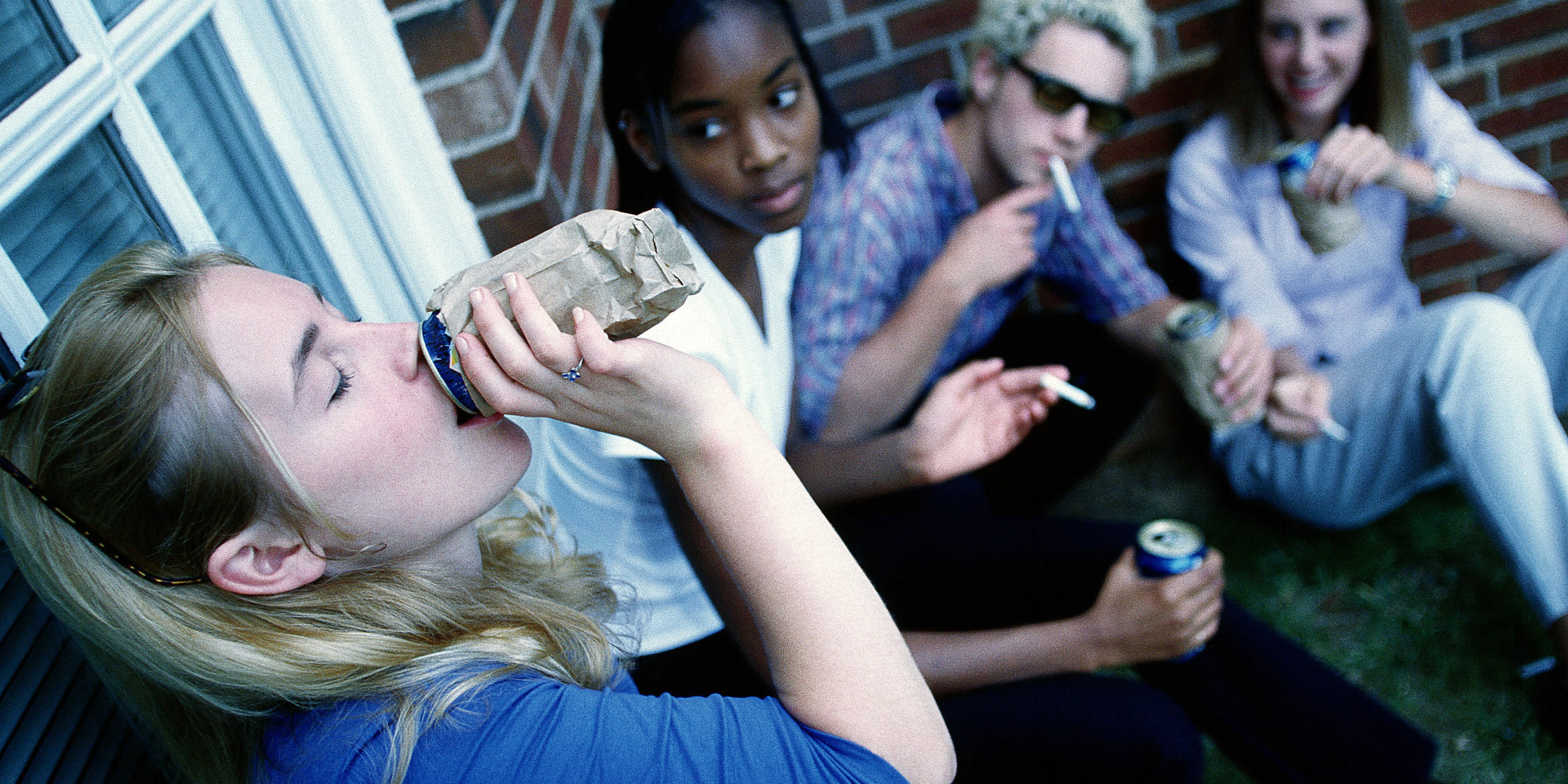
majority of cases they are not prepare so most of them have problems: alcohol,
drugs, steal or prostitution is the way
to survive, but they need be helped, they need recovered a stimulus to fix the
problem and we as a society can just forget stereotypes and give a hand to
those lost teenagers, think in their future and give an opportunity to change
their lives and be a strength of society.
RobbyTv
(Dirección). (2016). would you help a homeless child
[Película]. Obtenido de https://www.youtube.com/watch?v=xV2PYTWhgVA
What we can do for them…?
Solution for runaway and throwaway
Sometimes you feel alone
The runaways and throwaways is a very important global issue that is increasing day by day, this problems are provocate in the majority of times for violence, drugs, and toxic things that frequently is present in the environment of the teenager, In the United States, National Incidence Studies of Missing, Abducted, Runaway and Throwaway Children (NISMART) reports, (Putt, 2014) “The most common endangerment component was physical or sexual abuse at home or fear of abuse upon return.”
So this problem is always increasing, because the teenagers don´t know how to claim for help, or in some sadly situations they didn´t have any the option for do it
We have to see this fact into two point of view, if we talk about the throwaways, the solutions are more achievable, for example, for prevent a throwaway you can try:
• Search for organizations who help with conflicts between families
• Try to talk with the parents about the family behavior
• Prevent bad behavior
• If at the end, you are throwaway, call to the police or to any childhood organization who could help with your situation
In the case of the runaway, depend of the situation, because some of them runaway with reasons like ¨they have a lot of rules¨ or similar, in this case what we can do is:
• Talk with the teenager immediately when we notice any kind of change in their behavior
• Explain them which are the consequences of runaway and in which kind of situations the will be involve
• Reflect with them, try to make an agreement
But, if the reason of runaway are like (Putt, 2014) ¨Some parents sexually abuse their children or allow others to do so. Parents who are consumed by their substance abuse problems may lack the emotional or physical resources to care for their children¨ is not a situation where you can talk with them, so the thing that you have to do is:
• Call the police
However this is not always possible, because some
you feel invisible
parent who abuse their children’s didn’t let them to have any kind of communication with the outside world, and for this is why they have to runaway, because is not safe for them to continue in this environment, so for this people the only thing that they can do after runaway is:
• Search for the police office more closely to your house
• Try to claim for help to your neighbor
And If is the case that you see something weird in your neighborhood you have to talk about that, do not keeps quiet, you can save a life
Together we can fix this problem
References
Putt, G. (14 de abril de 2014). DECODED. Recovered 1/May/2017, available in: https://www.decodedscience.o
rg/runaway-children-predictors-preventions/44560
Causes and Consequences
Runaways and Throwaways is a global issue that affect the
society all around the world, this two words have some similarities because
both leave their home but what are the causes and the differences?
Runaways
* They didn´t have good arguments to leave their houses.
*They take the decision and most of the time they prepare
everyting that they need.
*In some cases the runaways are involved on
drugs, alcoholism, etc.
*Most of them have family problems that involve the
violence.
Family Problems
Thrownaways
*They´re forced to leave home.
*They have good arguments before they leave.
*Their parents do not have patience to listen what he/she
feel or think.
*Exist some cases that is because their parents divorce so
the didn´t want to care the child.
Depression.
At the same time they can leave home or forces to do because
of issues problems like sexual orientation. In other hand both have consequences that have some things
in common
For example
*Both are vulnerable to falling in addictions of drugs,
alcohol or in women´s cases in the prostitution.
*Both can been in real problems if choose wrong friends.
*They can suffer suicide attempts.
Addictions.
References:
middleearth. (2 de
November de 2014). Recuperado el 01 de 05 de 2017, de
https://middleearthnj.wordpress.com/2014/11/02/the-impact-on-teens-of-running-away/
Ryan, D.
(s.f.). Recuperado el 01 de 05 de 2017, de
http://living.thebump.com/reasons-teenagers-run-away-6162.html
Runaway is a persona specially children who leave their house without their paren'ts permission so they scape because they want for many reasons one of them and the most common is that they don't feel comfortable living with their parents so they think that the best solution is to runaway.
Sometimes they just want to scape
On the other hand, throwaways are the children who are kick out of their house by their parents with no reason so they don't have a place to sleep or food and they start to leave in the streets asking for money or waiting for someone to help them.
They need help
Their most immediate need is survival, simply living out the day in front of them. They have few options that lead to a decent and safe living environment. Their age, lack of work experience, and absence of a high school diploma make it most difficult to find a job. As a result, they turn to other means for survival; runaways and throwaways are most vulnerable to falling prey to the sex trade, selling drugs, or being lured into human trafficking, and some steal or panhandle.
They need support
References:
Colby, I. (2011). Runaway and Throwaway Youth: Time for Policy Changes and Public Responsability. Obtenido de: http://digitalcommons.library.tmc.edy/childrenatrisk/vol2/iss1/4/